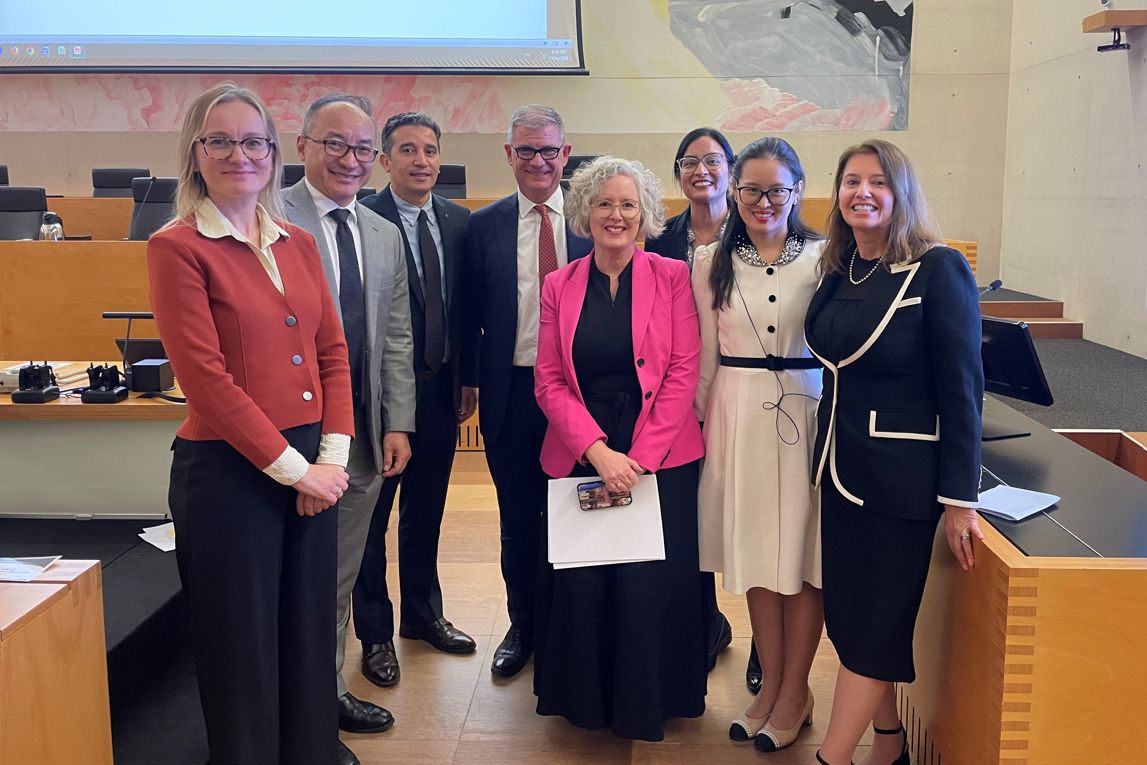
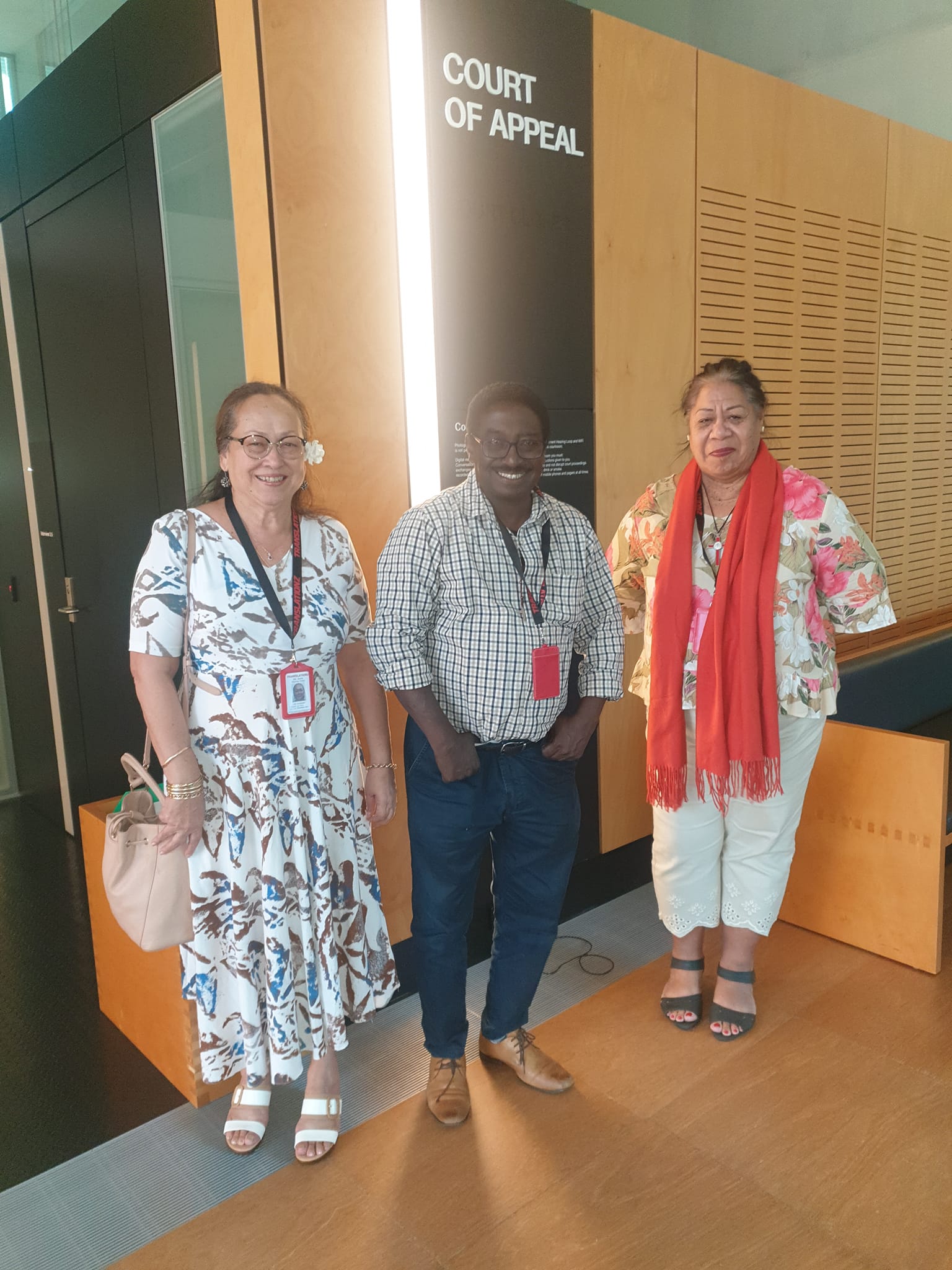
Translationz was requested by the Queensland Court System to participate in a legal seminar aimed at educating justice officers on the how to work with and access interpreters. The event was facilitated by esteemed legal professionals including Chief Justice Bowskill, Judge Horneman-Wren SC, Deputy Chief Magistrate Gett, Magistrate Balic, and Mr. Mohamed Bensghir, who are just as passionate as we are about helping the multicultural community.
Our interpreter colleagues, Ms. Sumeet Kaur, Ms. Liying (Lynn) Geng, and Translationz CEO Karen Hodgson, shed light on the critical role of interpreters in ensuring justice is accessible to all, regardless of language barriers.
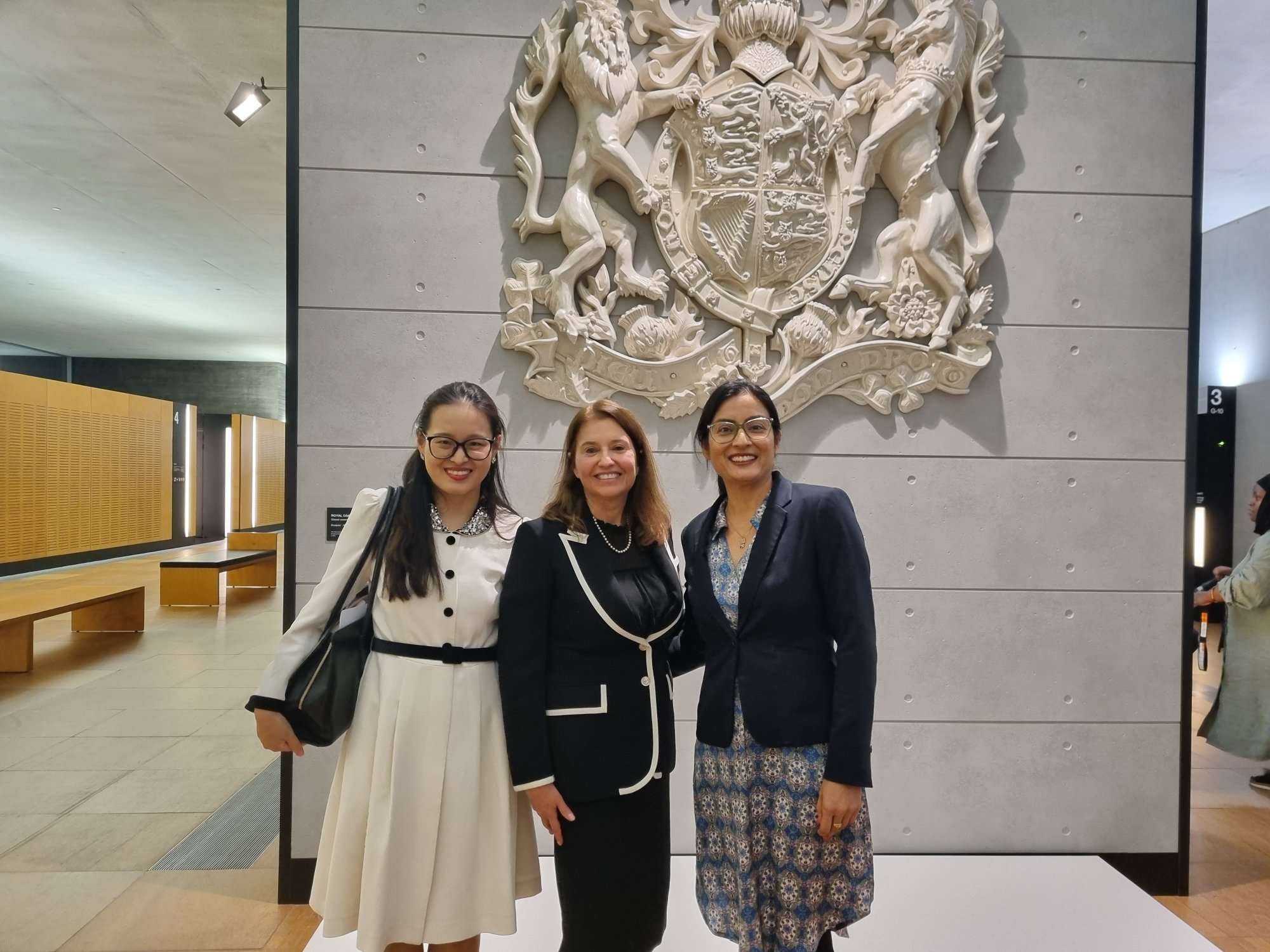
Over 200 interpreters and legal professionals attended this event held at the stunning Banco Court within the Supreme Court of Queensland at QEII Courts of Law in Brisbane. The grand building features high ceilings, wood finishes, and a traditional courtroom layout, making it an ideal venue not only for this event but also for legal proceedings and the administration of justice.
Here are the key takeaways from the seminar:
Chief Justice Helen Bowskill's Insights:
Chief Justice Bowskill emphasised the importance of adhering to guidelines, particularly in civil trials. She stressed the significance of clarifying the interpreter's role to the jury and encouraged interpreters to voice any concerns they may have with judges or judicial officers.
Judge Horneman-Wren SC's Guidelines:
Judge Horneman-Wren SC outlined the essential steps in utilising interpreters effectively. He highlighted the necessity of identifying the need for an interpreter early in the process and ensuring they are briefed comprehensively before the trial. Clear communication devoid of legal jargon was highlighted to facilitate accurate interpretation.
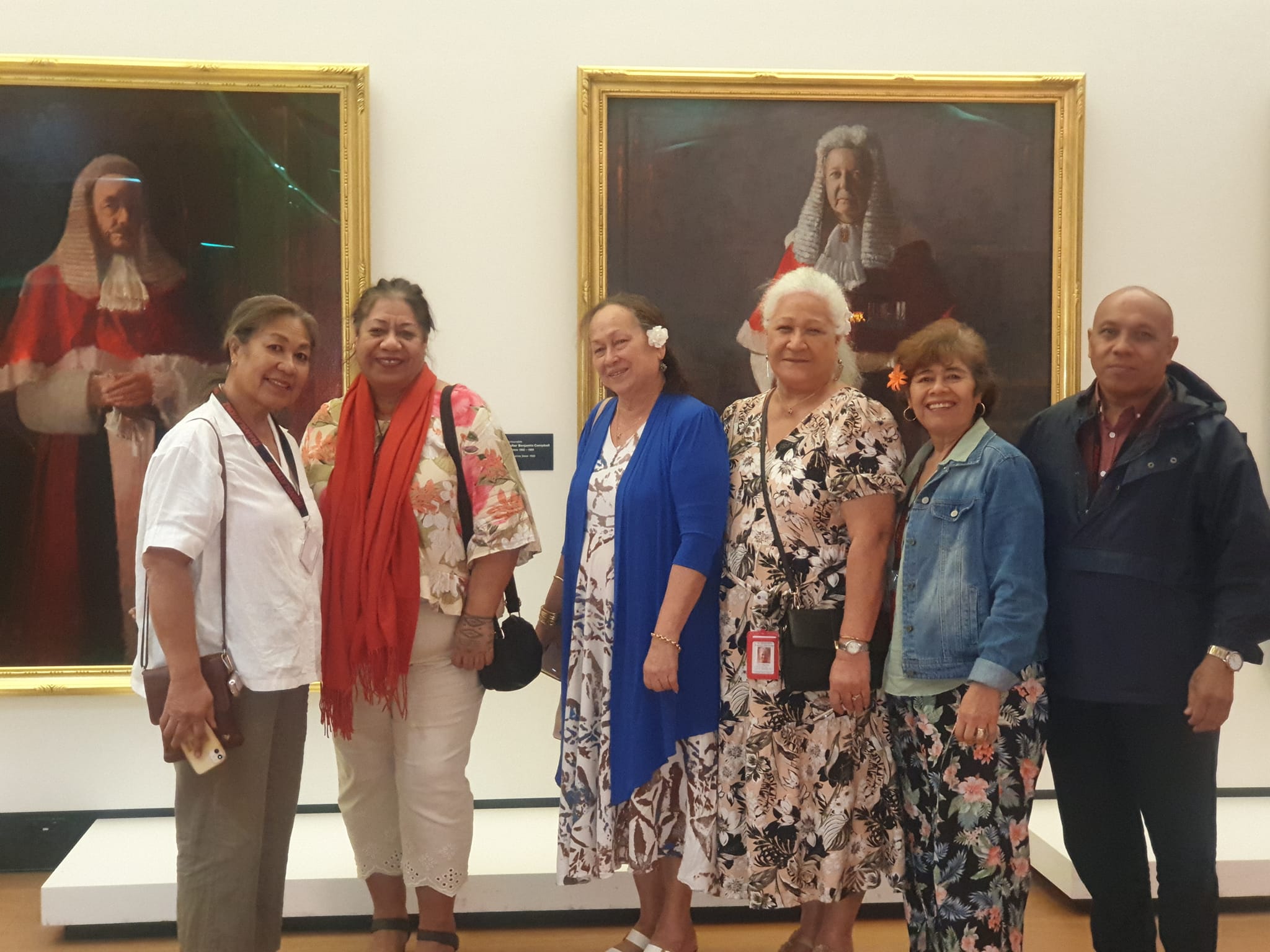
Insights from Deputy Chief Magistrate Gett and Magistrate Balic:
Magistrates face unique challenges due to the volume of cases and varying court environments. They stressed the importance of clear communication, briefings for interpreters, and accommodating their needs for breaks to mitigate mental fatigue.
Perspective from Mr. Mohamed Bensghir, Senior Registrar:
Mr. Bensghir provided insights into the registrar's role in booking interpreters and ensuring their suitability for the proceedings. He emphasised the necessity of providing detailed information to avoid issues and encouraged feedback for improvement.
Interpreters Lynn and Sumeet’s Testimony: Interpreter Lynn emphasised the indispensable role of interpreters in legal proceedings, stating, "The legal process cannot be done without the use of an interpreter." Her testimony underlined the vital link interpreters provide in ensuring due process for all individuals, regardless of language barriers.
Role Play- Best Practice:
In a demonstration of this vital role, both interpreters, along with Translationz CEO Karen Hodgson, showcased a role play demonstrating best practices in court interpreting. The role play illustrated the complexities of legal interpretation, navigating nuances in language, cultural context, and legal terminology. Furthermore, the role play served as a practical demonstration of the collaborative effort required by all parties.
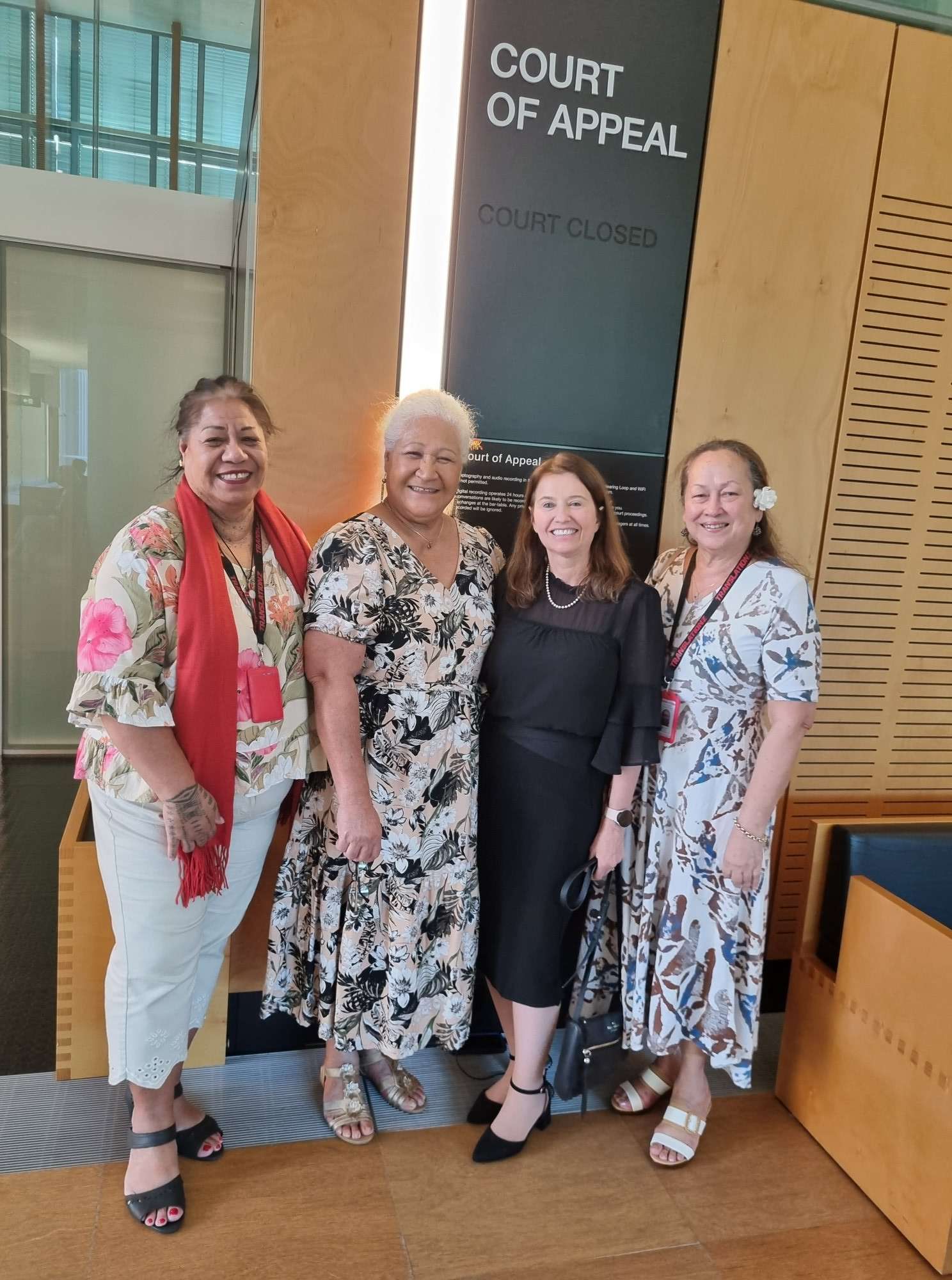
In conclusion, effective communication facilitated by competent interpreters is fundamental to upholding the principles of justice. Courts must prioritise clear communication, thorough briefings, and accommodation of interpreter needs to ensure equitable access to justice for all members of society. As legal proceedings become increasingly diverse, the role of interpreters in bridging linguistic divides remains paramount.