Fostering Cultural Competence in Healthcare: Lessons from a Yazidi
In an increasingly diverse world, healthcare professionals are recognizing the importance of cultural competence in providing effective and inclusive care. Recently, the Darling Downs Hospital and Health Service held an information session on fostering cultural competence in health care.
Translationz were asked to provide two esteemed members of the Yazidi community to deliver insight into the cultural nuances that impact healthcare experiences for Yazidi individuals. Here, are the key takeaways from this educational session.
One of the discussions centred around the significance of having female interpreters for female patients, particularly when addressing topics related to gender health, pregnancy, and ultrasounds. This sensitive approach ensures that patients feel comfortable and understood during crucial healthcare conversations. By acknowledging this need, healthcare providers can foster trust and promote open communication with Yazidi patients.
The session also shed light on the cultural differences between Yazidi customs and hospital procedures. For instance, the practice of family members bathing the deceased is deeply rooted in Yazidi tradition. However, this practice may conflict with hospital protocols. Understanding and respecting these differences is essential in ensuring that Yazidi patients receive care that aligns with their beliefs and values.

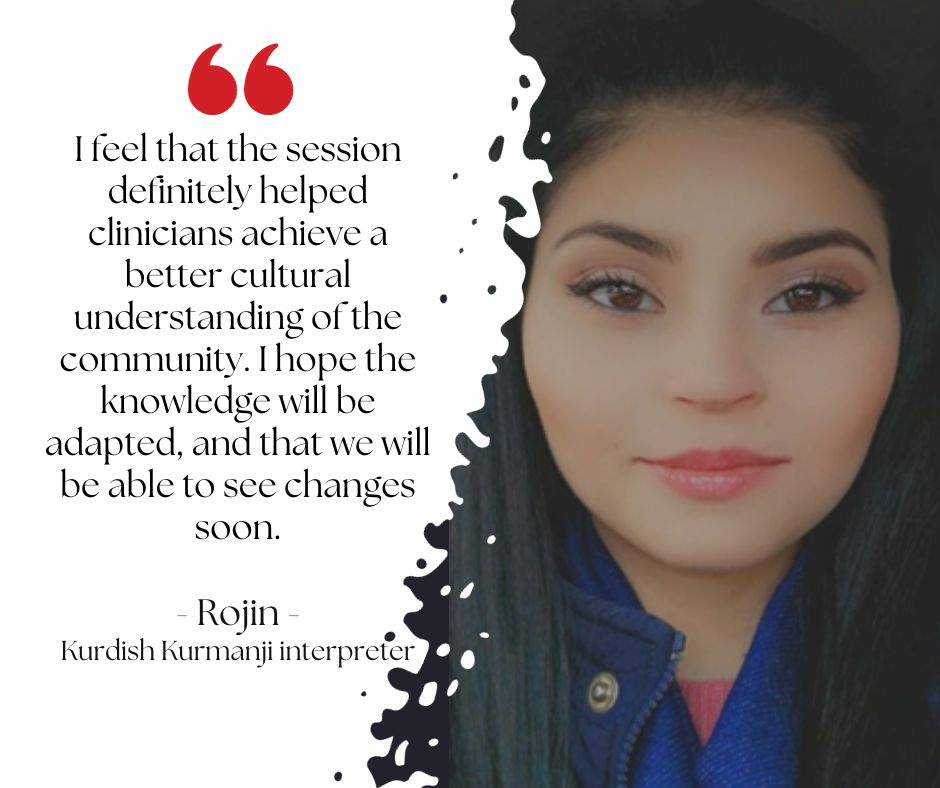
Both Rojin and Dilovan interpreters from Translationz noted that this all-inclusive session was a great exploration of cultural considerations. The questions presented during the session addressed critical aspects of healthcare delivery and community understanding, including the use of interpreters, family dynamics, end-of-life care, among other topics. These discussions serve as a starting point for clinicians seeking to bridge the cultural gap and provide more personalised care.
In embracing cultural competence, we not only honour the diversity of our communities but also pave the way for more effective, empathetic, and patient-centered care. The lessons learned from this session serve as a powerful reminder that understanding and respecting cultural differences is at the heart of providing quality healthcare for all.