By Mic Harris September 1, 2020
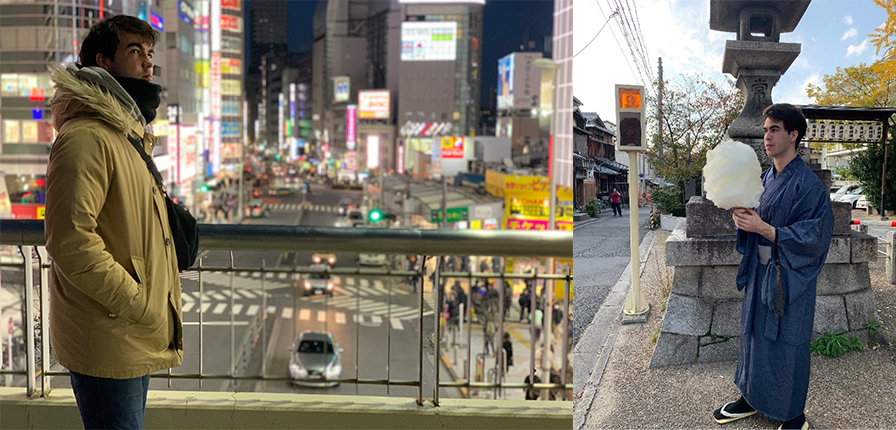
Learning about a culture unlike where you personally grew up is an engaging experience, giving opportunity to broaden a person’s understanding of the world. Through my personal experience of living in Japan and studying the Japanese language I have come to have a deep appreciation and am continuously gaining a deeper understanding for how culture is shaped by language within different societies. The work of translators and interpreters is to not only exchange words from one language to the other, but to translate cultural background and ideas. From the little things in everyday life in Japan to how individuals make important life decisions, I found that the foundations for choosing what to do come from an alternative origin than my own Canadian and Australian background.
Japanese are known for many things, a few common examples of which are their group inclusiveness and making decisions with the safest paths to success. Growing up in both Canada and Australia these ideas were also not uncommon, however, I was also taught that individualism and questioning what I am told is good. Something that in certain circumstances is culturally inappropriate in Japan. This could be for a number of reasons, such as the honorific system and societal norms, but because of unique differences in language like these interpreters and translators make a conscious effort when relaying information into the alternative language.

Although I have not done any professional translation myself, on many occasions I have been asked for translations for words or phrases from both Japanese and Australian friends. Often enough I am asked to translate colloquial terms, which to my knowledge can be the most difficult. It is almost dissatisfying when someone asks me how to say “G’day mate” in Japanese and I refer them to say “konichiwa” (simply; hello). Australia has a big “mate” culture unlike many other countries, making the same uses of the word nearly impossible after translation. I believe it is for reasons like this that culture exchange meetups have seen an increase in popularity, so both parties can get a better understanding of each other.
Learning about another culture and learning a second language is one of the best decisions I feel I have personally made. As my journey is still in the beginning stages, I have found myself looking to the translators and interpreters impressed at the work they do and the knowledge required for such a job. As I continue to deepen my appreciation and understanding of the Japanese language I look forward to the future and remain interested in the field of translation.

Translationz intern and Japanese student Mic Harris is currently studying a Bachelor of Arts majoring in the Japanese language. He participated in an intensive language immersion in KGU’s Advanced Japanese courses in 2019 at Kwansei Gakuin University. He started his internship with Translationz in July 2020 and is assisting in many areas of business operations and translation projects.
Mic who spent a year abroad in Japan, writes about the cultural differences and challenges interpreters and translators face when interpreting between Japanese and English