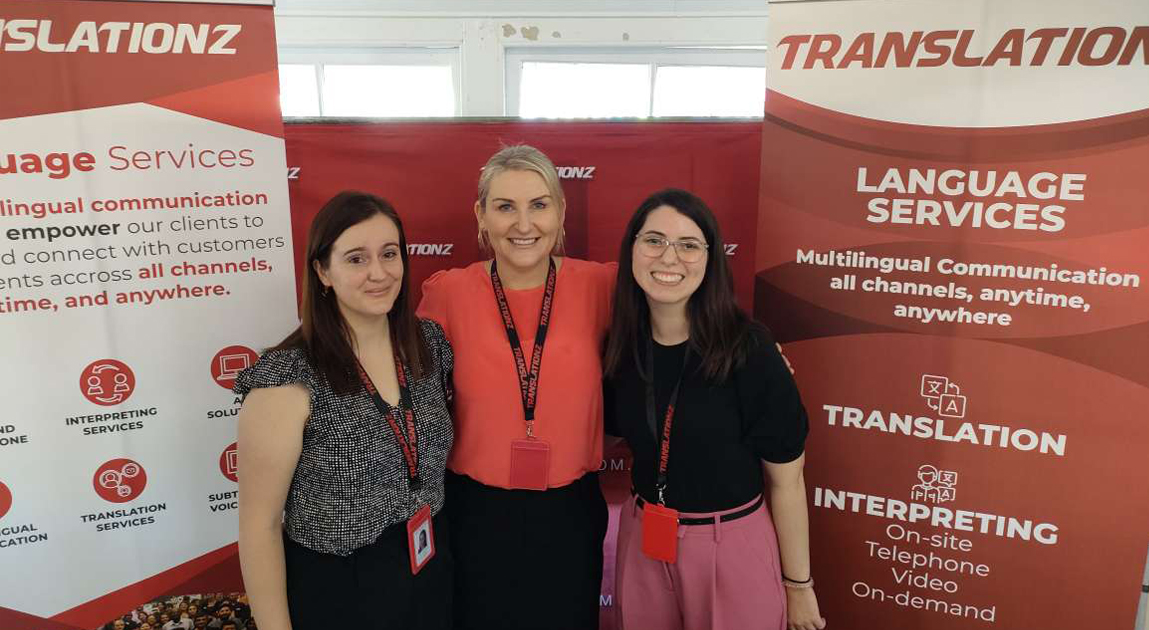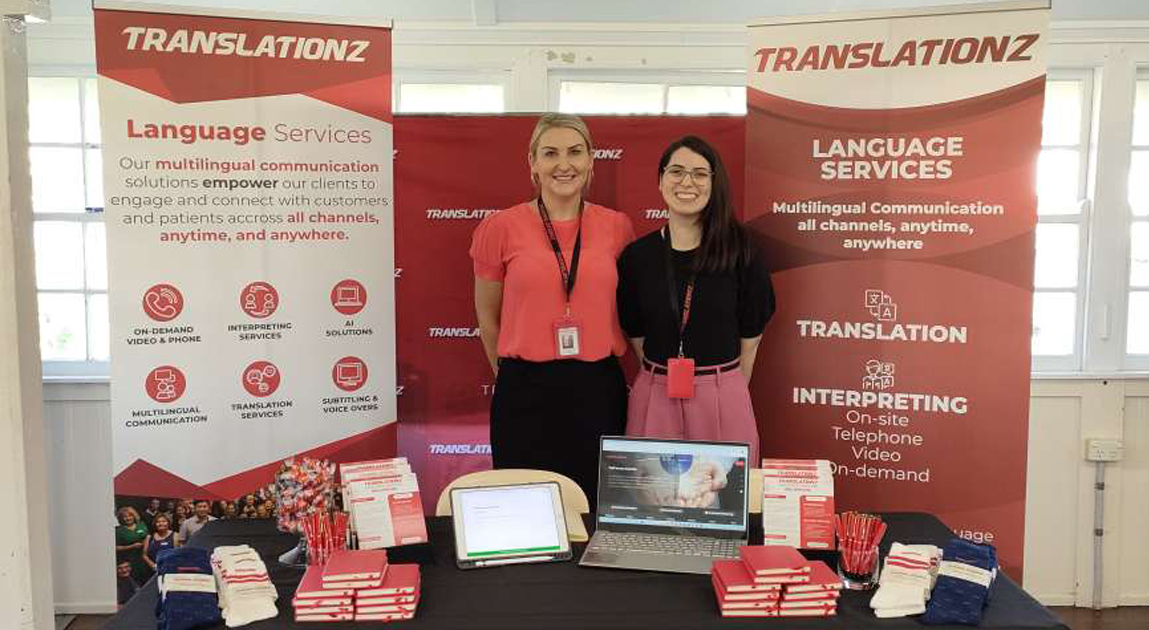
We had a truly wonderful time at the Deaf Festival this weekend. It proved to be an enlightening experience, offering us deeper insights into the Deaf community and their vibrant, friendly and warm culture. We felt honoured to sponsor this festival and our experience by far met our hopeful expectation to learn more about the Deaf community, understand the challenges faced and advocate for inclusivity and change within Australian healthcare.
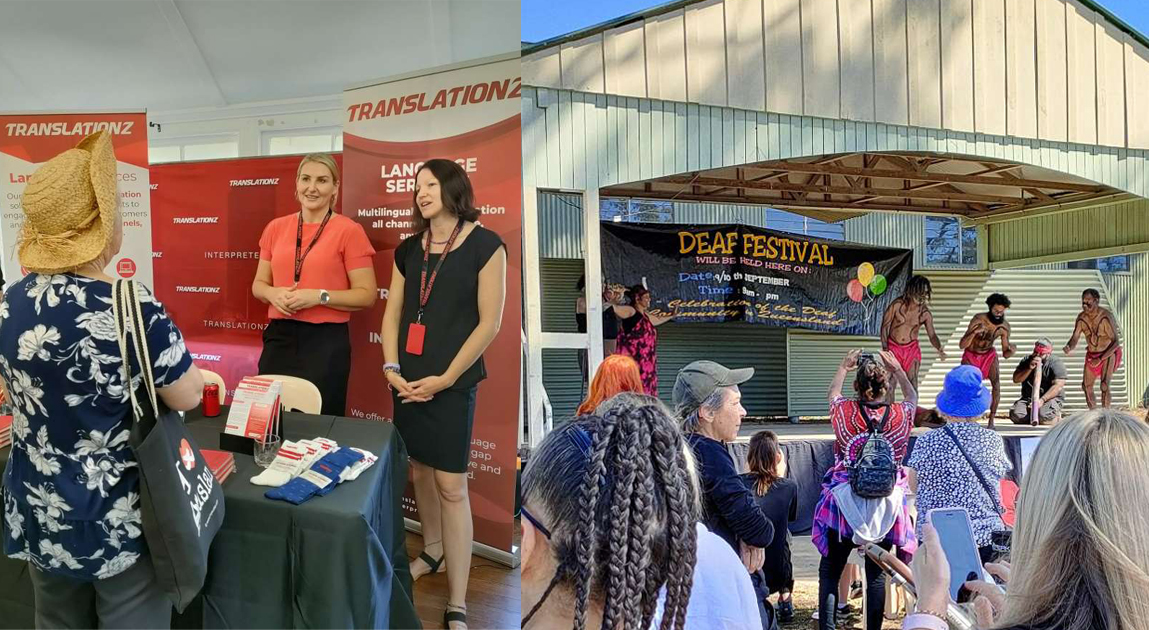
Throughout the day, we had the privilege of meeting enthusiastic, and inspiring individuals who showcased the richness of diversity within the community and culture. Engaging in conversations and shared experiences has led to Translationz exploring ways in which we can provide better support to this wonderful community.
Let's continue to raise awareness and wholeheartedly embrace inclusivity!
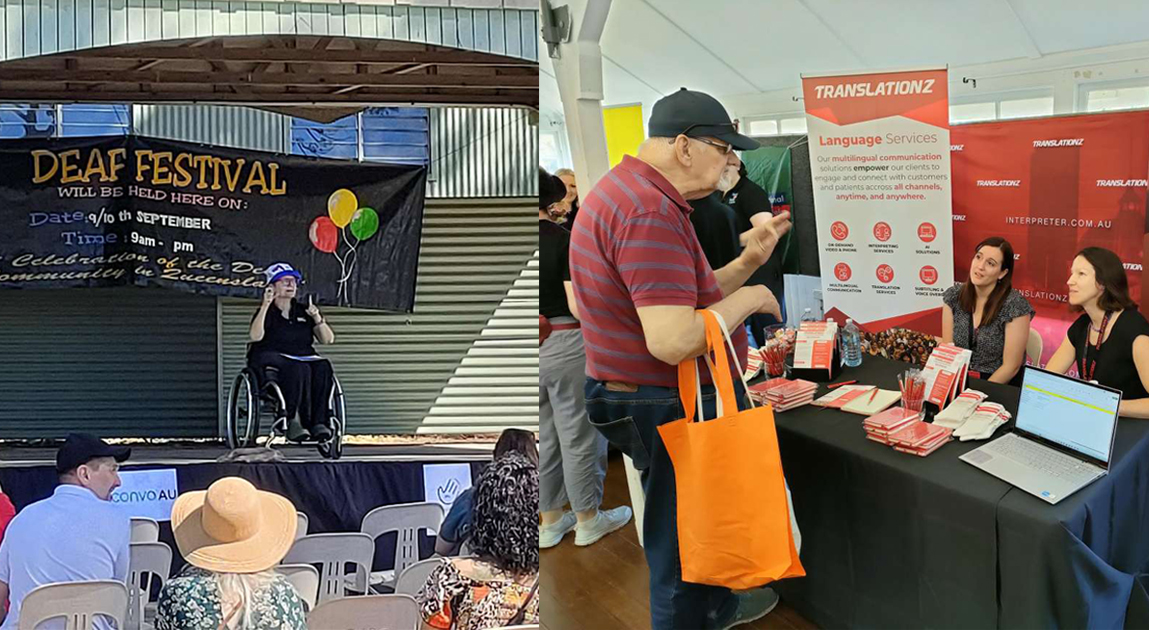
Did you know?
- Not all speakers of Auslan are deaf. Many autistic people who are mute or experience episodes of silence use Auslan.
- Auslan, short for Australian Sign Language, is the official sign language of the Australian Deaf community. It has its own grammar, vocabulary, and syntax, making it a distinct language.
- Auslan is not a universal sign language. Each country has its own sign language, just like spoken languages. So, Auslan is specific to Australia and differs from other sign languages like American Sign Language (ASL) or British Sign Language (BSL).
- Auslan is recognised as an official language in Australia, alongside English. This recognition highlights the importance and value of sign language in the country.
- Auslan has a fascinating history that dates back to the early 19th century. It evolved from a combination of British Sign Language (BSL) and Irish Sign Language (ISL).
- By sharing these interesting facts, we hope to raise awareness and appreciation for the Australian Deaf community and the beautiful language of Auslan.