Sign language is a means of communication through hand gestures and other movements, including facial expressions. This form of communication is primarily for those of hearing impairment. There is a rich diversity of sign languages throughout the world.
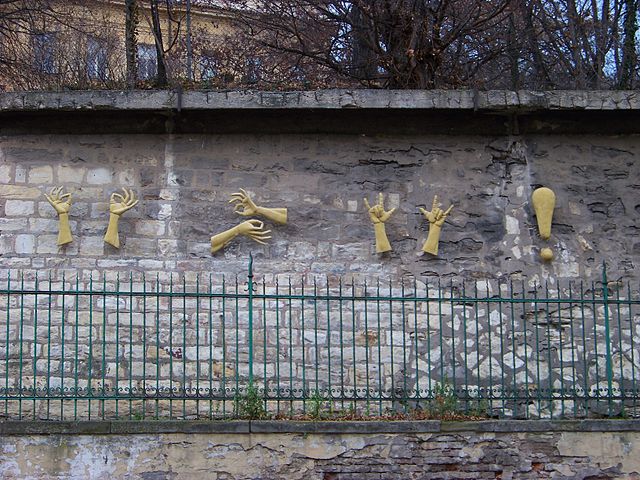
Have you recently watched a live press conference and noticed a person beside the speaker making hand gestures and facial expressions? Have you wondered what their purpose and who their target audience is? These people are called Australian Sign Language Interpreters or simply referred to as Auslan Interpreters.
My name is Cassi and I am an Aboriginal woman.
I live on Gadigal/Wangal ngurra country, however, I descend from the Gugu Yalandji people and I also have ties to Yuin country. My connection to language is almost non-existent, I was not taught much about my traditional Indigenous culture as a child. Nonetheless it is important to me and I hope to one day learn my language. From my experience, there are many aspects of Indigenous life that cannot be expressed in English the same way they are in traditional languages. I like to think that those of us who are Indigenous and grew up in urban areas have almost our own way of communicating and connecting.
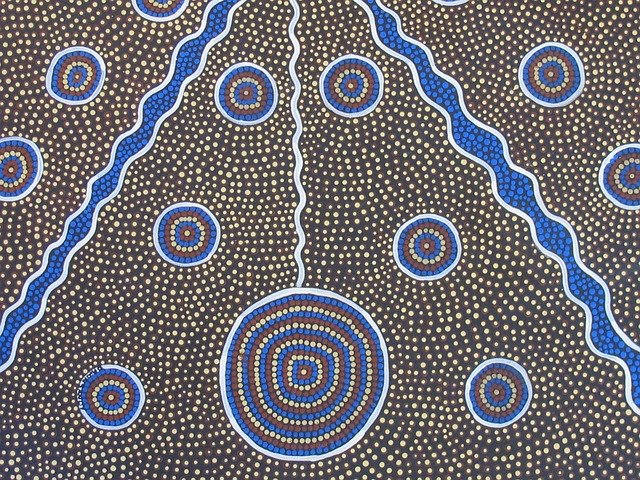

It is vital that culturally and linguistically diverse communities receive equal access to reliable COVID-19 information. We are pleased to support Queensland Health in their efforts to develop resources to support these communities in multiple languages.